Oxygen Saturation Monitor: Does This Fingertip Unit Deliver?
A close look at the Wrinery Oxygen Saturation Monitor: 8-second readings, OLED display, and the sports-use-only label buyers keep missing.
As an Amazon Associate I earn from qualifying purchases. Some links on this site are affiliate links, if you buy though them I may make a commission at no extra cost to you.
Quick Verdict
Eight seconds to a reading, two AAA batteries, and a hard case with a belt loop already in the box. The catch is printed right on the listing: Wrinery labels this one for sports and aviation use, not medical use. Read that line before you buy.
Buy if you:
- Hike, climb, or ski at altitude and want to track how you’re acclimating
- Want the case, lanyard, hook and batteries included instead of sold separately
- Need something that clips to a pack belt loop and fits a range of finger sizes
- Prefer an OLED readout you can see in bright trail light
Skip if you:
- Need a device for managing a diagnosed condition. This one is explicitly not sold for medical use
- Want readings while moving. Accuracy depends on holding still
- Prefer a rechargeable unit. It runs on AAAs you’ll eventually replace
Clicking takes you to Amazon. As an Amazon Associate we earn from qualifying purchases — pricing and availability subject to change.
| Reading time | Within 8 seconds |
|---|---|
| Display | OLED, high-definition |
| Power | 2 x AAA (included) |
| In the box | Oximeter, hard case, hook, lanyard, batteries, manual |
| Colorway | Rose gold / royal black |
| Intended use | Sports and aviation, not medical |
Eight Seconds Is the Number That Matters
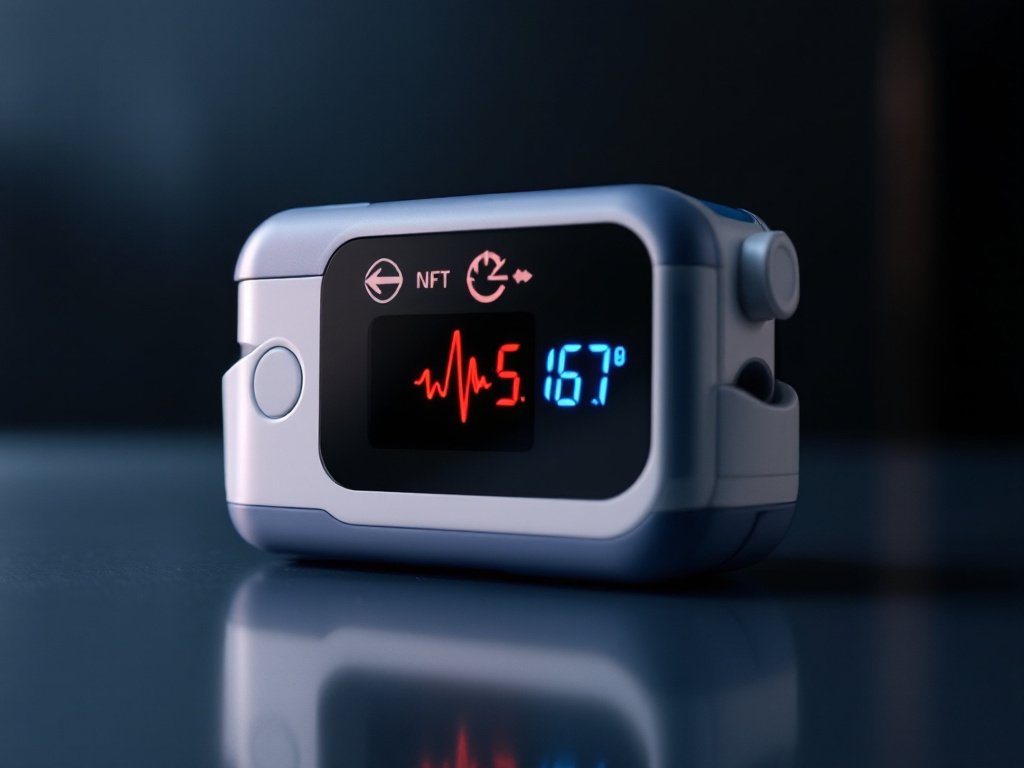
Wrinery claims a reading within 8 seconds, and that single spec shapes how a saturation monitor like this one gets used in real life. Eight seconds is short enough that you’ll stop at a switchback, clip it on, and get a number before your heart rate settles into a lie. It’s long enough that you have to stand still. The listing says so directly: use it stationary, not in motion.
That’s the whole usability story in one line. This isn’t a wearable. It’s a spot-check tool, and spot-check tools live or die on how fast they give you an answer and how quickly you can put them away again.
Where It Sits Among Fingertip Oximeters
Fingertip oximeters split into two camps: sub-$15 pharmacy units with dim LED segments and no accessories, and clinical-grade devices with validated accuracy documentation that cost multiples more. The Wrinery sits between them, priced for the outdoor and travel crowd, equipped better than the cheapest options, and explicitly not trying to be the other thing.
Two things separate it from the cheapest options. The OLED display, which stays legible in sun and dark where basic LED segments wash out. And the bundle: hard case with a belt loop, lanyard, hook, and two AAA batteries. Plenty of competitors ship the unit alone and let you buy the case.
One practical note on price: this listing moves around. It’s sitting near its three-month average right now, but it’s hit noticeably lower points, worth a quick check before you buy rather than assuming today’s number is the best you’ll see.
The Sports-Only Label Nobody Reads
Wrinery states plainly that this device is for sports and aviation use, not medical use. That one sentence rules out a chunk of the people searching for a saturation monitor in the first place.
If someone in your house has a respiratory diagnosis and a clinician told them to log oxygen levels, that clinician wants a device cleared for that purpose. Same goes for anyone typing “saturation monitor baby” into a search bar. Infant monitoring is a different category with different validation, and a sports oximeter is not a substitute.
Where it fits: altitude acclimation, curiosity during training, a travel kit heading somewhere thin-aired. Those uses don’t carry a clinical consequence if the number is off by a point or two.
The other limitation is motion. Cold hands, shivering, a bumpy chairlift, all of it degrades a fingertip reading. That’s physics, not a design flaw, but it means the number you get halfway up a climb may need a second attempt once you’ve stopped and warmed your hands.
How a Fingertip Reading Works
Light through your finger, math on the other side. The unit shines two wavelengths through the fingertip and measures how much each one gets absorbed. Oxygenated and deoxygenated blood absorb them differently, so the ratio produces an SpO2 estimate plus a pulse rate from the rhythm of the signal.
That mechanism explains most of what buyers find confusing. Nail polish, poor circulation, and cold fingers all interfere with the light path. So does a finger that’s too loose in the clip, which is why Wrinery’s note about accommodating a wide range of finger sizes matters more than it sounds. A young person’s finger and an older adult’s finger need different spring pressure to sit correctly.
From an occupational therapy angle, the clip-on format is one of the easier health gadgets to manage independently. There’s no app, no pairing, no account. You squeeze, you clip, you read. For anyone with reduced hand strength, the spring tension is the variable to watch, and it’s the one spec nobody publishes.
The Considered Verdict
This is a well-equipped sports oximeter with a clear boundary around it. The 8-second read, the OLED, and the included case plus lanyard plus batteries make it a sensible grab for a pack or a carry-on. The sports-and-aviation-only designation makes it the wrong tool for anything clinical.
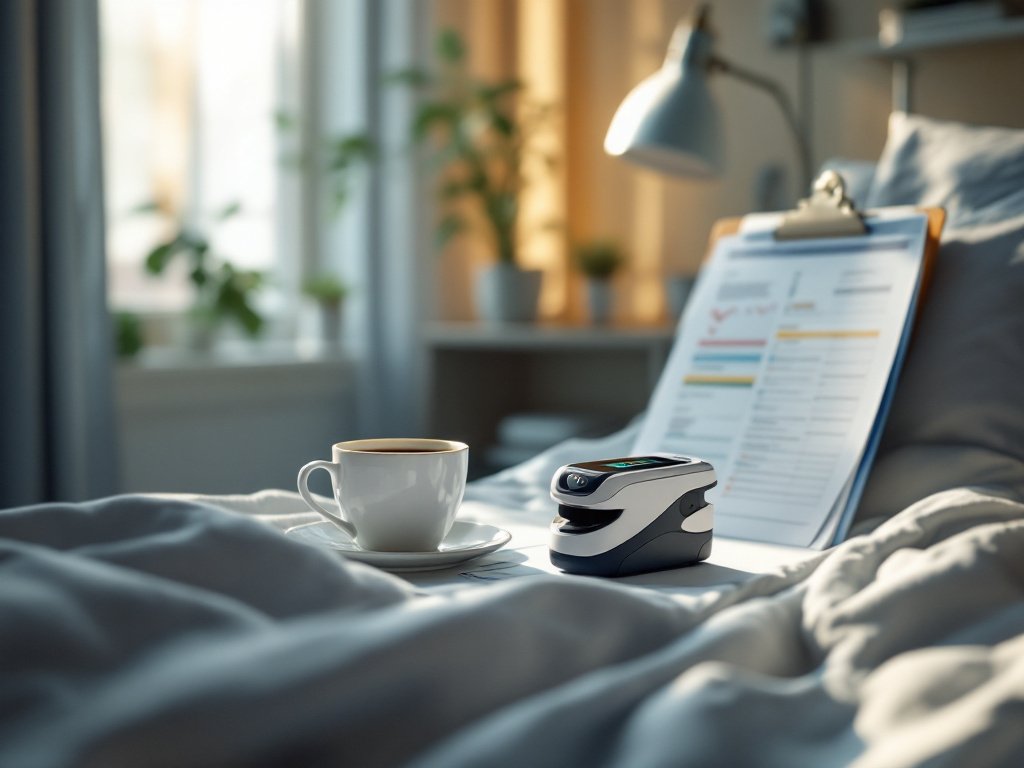
If you’re heading to altitude and want a cheap way to see whether your body is adjusting, this fits that job neatly. If you’re looking for it to replace a medical device, it isn’t that, and the manufacturer says so first. If that’s your situation, stop second-guessing it. The price moves enough that waiting costs you, check what it’s at right now.
Pros
- Reading within 8 seconds, fast enough for a trail stop
- OLED display stays readable in bright and low light
- Hard case with belt loop, lanyard, hook and two AAA batteries included
- No app, no account, no pairing to manage
- Fits a wide range of finger sizes
Cons
- Explicitly not intended for medical use
- Needs a stationary finger for reliable readings
- AAA batteries rather than a rechargeable cell
- Price swings a lot, so buying at the wrong moment costs you
Frequently Asked Questions
Does it need an app or subscription?
No. There’s no app, no Bluetooth pairing, and no account. Readings show on the OLED screen and that’s the whole interface, so there’s nothing to pay for after purchase.
Will nail polish affect the reading?
It can. The sensor reads light passing through your fingertip, so polish, gel nails, or artificial tips sit in that light path and can skew the result. Use a bare finger or switch to a toe if you need a check and can’t remove the polish.
What batteries does it use and are they included?
Two AAA batteries, and Wrinery includes them in the box. They’re standard and cheap to replace, which beats a proprietary cell, though it does mean pulling the cover off rather than plugging in a cable.
Can kids use it?
The listing says it accommodates a wide range of finger sizes from young people to elders, so an older child’s finger should seat fine. Infants are a different matter. This isn’t a medical device and shouldn’t be used for baby monitoring.
Get it now
Oxygen Saturation Monitor
🛒 Get the best price on Amazon →Affiliate link. See the disclosure at the top of this post.